Virtues, Values, and Ideals: How They Serve Humanity
Haruna Aaron
Author
Jun 20, 2026
3 min read
30 views
Virtues, Values, and Ideals: How They Serve Humanity
Human society is built not only on laws and institutions but also on moral principles that guide human behavior. Among the most important of these principles are virtues, values, and ideals. Though closely related, they have different meanings and functions.
What Are Virtues?
Virtues are positive moral qualities or character traits that enable a person to act rightly and responsibly. They are qualities that are developed through practice and habit.
Examples of virtues include:
Honesty
Courage
Compassion
Patience
Humility
Justice
Self-discipline
Kindness
A person who consistently tells the truth demonstrates the virtue of honesty. Someone who remains calm and persistent during difficulties displays patience and courage.
What Are Values?
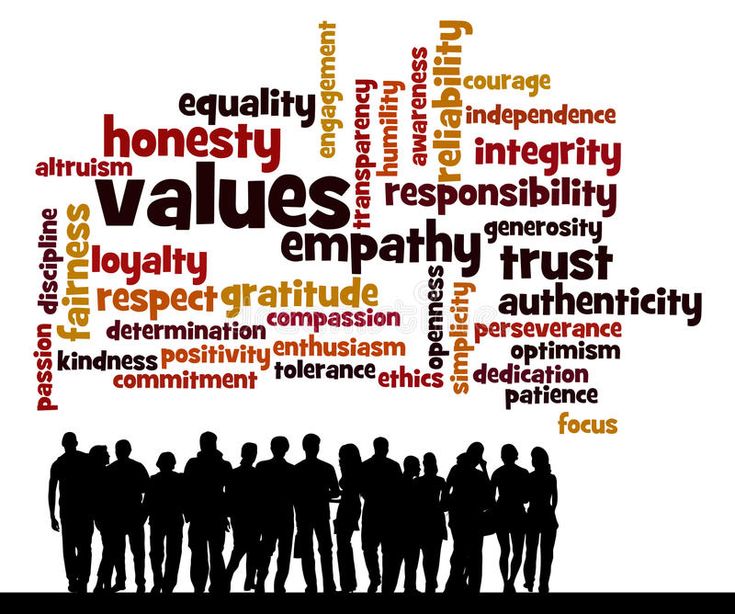
Values are the beliefs and principles that people consider important and worthwhile. They influence decisions, priorities, and behavior.
Examples of values include:
Respect for human life
Freedom
Equality
Family unity
Education
Hard work
Integrity
Peace
Values help individuals and societies determine what is right, important, and desirable. For example, a society that values education invests in schools and learning opportunities.
What Are Ideals?
Ideals are the highest standards, goals, or visions that people strive to achieve. They represent perfection or excellence, even though they may never be fully attained.
Examples of ideals include:
A just society
World peace
Universal brotherhood
Human dignity for all
Perfect honesty
Spiritual enlightenment
Ideals inspire individuals and communities to work toward a better future and a higher level of human development.
How Virtues, Values, and Ideals Serve Humanity
1. They Promote Good Character
Virtues help people become trustworthy, responsible, and morally upright. Good character strengthens families, communities, and nations.
2. They Create Social Harmony
When people share values such as respect, justice, and tolerance, conflicts are reduced and cooperation becomes easier.
3. They Guide Decision-Making
Values provide a moral compass that helps individuals make wise choices in personal, professional, and public life.
4. They Inspire Progress
Ideals motivate humanity to pursue noble goals such as peace, equality, scientific advancement, and social justice.
5. They Strengthen Leadership
Leaders guided by virtues such as integrity, wisdom, and compassion are more likely to govern fairly and earn public trust.
6. They Protect Human Dignity
Values and ideals remind society that every human being deserves respect, fairness, and opportunities for growth and fulfillment.
7. They Encourage Personal Growth
By cultivating virtues and striving toward ideals, individuals develop self-control, wisdom, and a deeper sense of purpose.
The Relationship Between Virtues, Values, and Ideals
These three concepts work together:
Values tell us what is important.
Virtues are the qualities that help us live according to those values.
Ideals are the highest goals toward which values and virtues direct us.
For example, if a person values justice, they may develop the virtues of honesty and fairness, while striving toward the ideal of a just society.
Conclusion
Virtues, values, and ideals are essential foundations of civilization. Values provide direction, virtues provide the character needed for action, and ideals provide the vision of a better future. Together, they help humanity build peaceful societies, develop noble character, and advance toward greater wisdom, justice, and human flourishing.