The power of knowledge and the Danger of ignorance
Haruna Aaron
Author
Mar 21, 2026
3 min read
36 views
THE POWER OF KNOWLEDGE AND THE DANGER OF IGNORANCE
Human development is shaped by two powerful forces—ignorance and knowledge. One limits, the other liberates. One blinds, the other enlightens. The difference between them often determines the direction of individuals, communities, and even nations.
Ignorance, simply defined as the lack of knowledge or the refusal to seek it, is one of the greatest obstacles to human progress. Its effects are often subtle at first, but over time they become deeply destructive. It leads to poor decision-making in critical areas such as health, finance, and relationships. Many people suffer not because solutions do not exist, but because they do not know what to do or how to do it.
Ignorance also makes individuals vulnerable to manipulation. In politics, religion, and business, those who lack knowledge are easily deceived or controlled. It fuels poverty by limiting opportunities and preventing people from acquiring the skills needed to improve their lives. It contributes to poor health outcomes, as many preventable diseases arise from lack of awareness about proper care and nutrition.
Beyond the individual, ignorance breeds conflict. Misunderstanding, prejudice, and intolerance often arise when people fail to understand one another. It resists progress, creating fear of change and rejection of innovation. In many cases, even leadership failures can be traced back to ignorance or lack of informed judgment.
On the other hand, knowledge is one of the greatest forces for transformation. It empowers individuals to make better decisions, improve their health, and achieve financial independence. Knowledge promotes self-awareness, helping people understand their strengths and weaknesses, and guiding them toward personal growth.
It also drives innovation and societal development. Every scientific breakthrough, technological advancement, and social improvement is rooted in knowledge. Knowledge fosters tolerance and unity by encouraging understanding of different cultures and perspectives. It builds confidence, independence, and the ability to recognize opportunities.
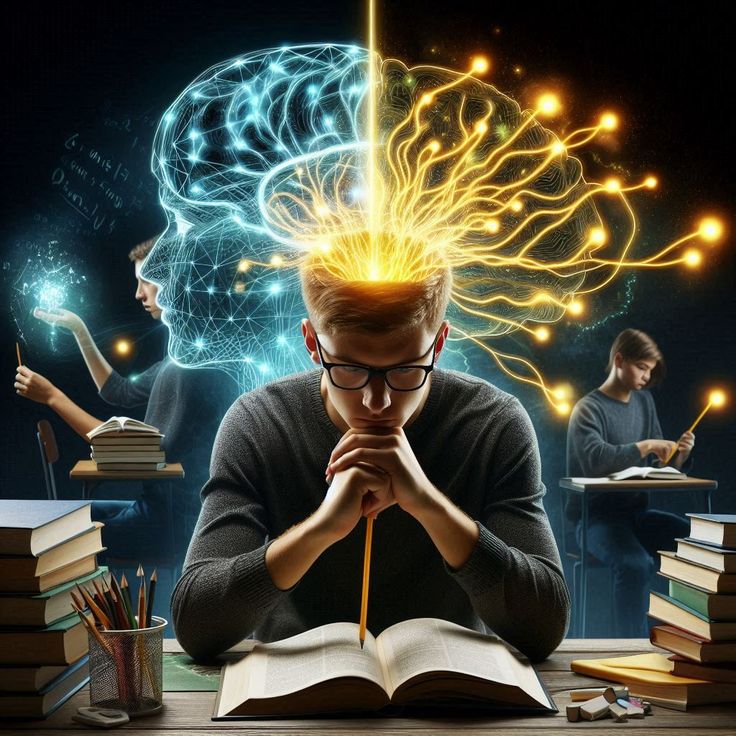
An interesting aspect of knowledge acquisition is how we learn. While listening is valuable, reading often contributes more deeply to knowledge. Reading requires active participation—it engages the mind, allows reflection, and improves retention. Unlike listening, where information may pass quickly, reading gives you control: you can pause, think, and revisit ideas. This deeper engagement strengthens understanding and critical thinking.
However, the most effective learning comes from combining both reading and listening. Listening adds emotion, context, and human connection, while reading provides depth and structure.
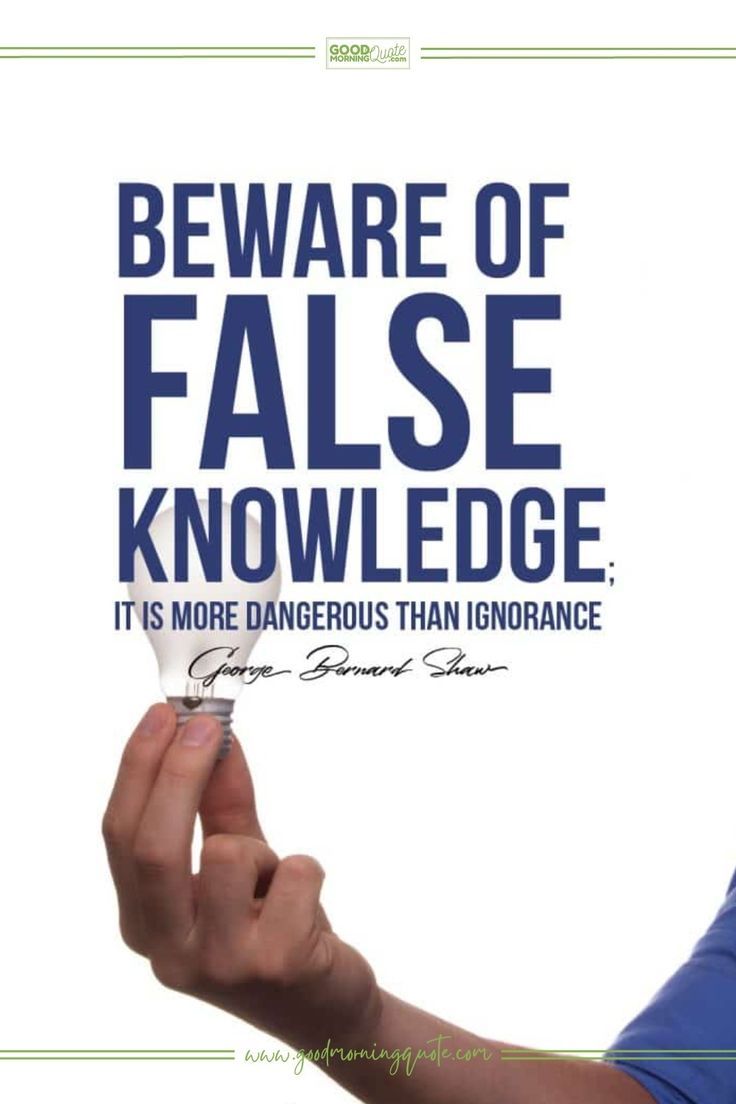
In conclusion, ignorance is not merely the absence of knowledge—it is often the root of many personal and societal problems. Knowledge, on the other hand, is more than information—it is power. It shapes thinking, behavior, and destiny. If humanity is to progress, individuals must commit not just to learning, but to continuous learning. For in the end, the choice between ignorance and knowledge is the choice between limitation and transformation.