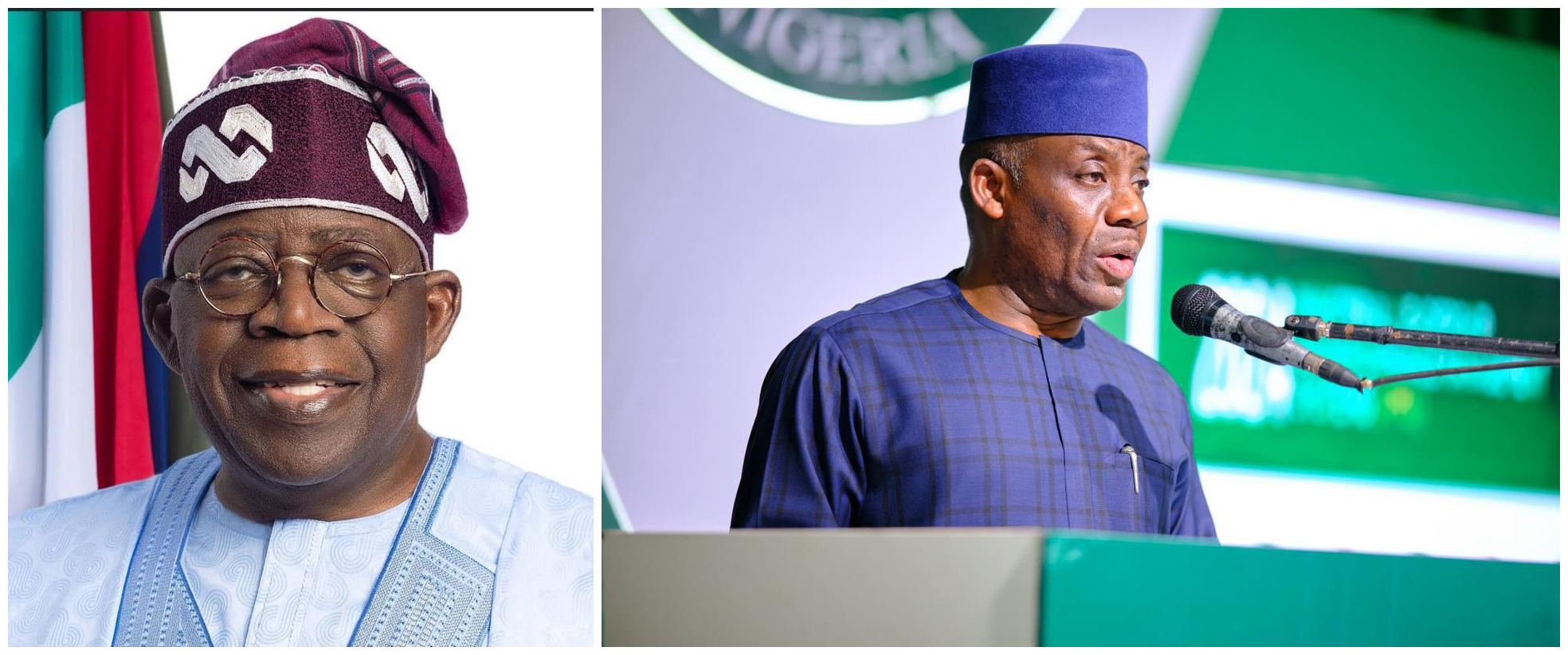
TINUBU’S SAGACIOUS DECISIONS FOR NIGERIA’S TECHNOLOGICAL DEVELOPMENT
We are elated to learn that the Federal Government, under the leadership of Bola Ahmed Tinubu, has awarded ₦50 million each to 45 outstanding students selected from 65 finalists drawn from both public and private tertiary institutions across the country under the Student Venture Capital Grant.
For those who truly understand the weight of this initiative, it represents a bold and sagacious step—one that portends an exceptionally bright future for Nigeria.
If such a decision had been taken six decades ago, Nigeria today would likely be standing shoulder to shoulder with the world’s industrial giants. Regrettably, for much of our history, many of our wealthy citizens focused largely on trading—buying and selling—an economic path that has contributed little to genuine industrial and technological development.
Our past leadership lacked the foresight to envision a Nigeria capable of producing vehicles, ships, aircraft, and the wide array of industrial products that define advanced economies such as the United States and China. That absence of vision has cost us decades of progress.
Yet, even in this delay, there is hope.
We may have started late, but as the saying goes, it is better late than never. With this initiative, President Tinubu appears to be breaking a long-standing vicious cycle and setting Nigeria on a path toward industrial relevance in the modern world.
Implicit in this effort is the powerful possibility that each of the 45 beneficiaries can evolve into a nucleus of industrial growth—establishing ventures under expert guidance and contributing meaningfully to national development. This is not just policy; it is potential in motion.
It is, indeed, a glorious moment to witness such progress within our borders—especially in a nation where, for far too long, headlines have been dominated by terrorism, banditry, and religious extremism. This initiative signals a shift in narrative—from despair to possibility.
A Call for Expansion and Strategic Continuity
Our earnest counsel is that the President should deepen and expand this commendable effort. Nigeria must now deliberately mobilize its intellectual capital—biochemists, geneticists, engineers, and scientists across disciplines—to collaborate and innovate.
The goal must be clear: a future where Nigeria can produce what it needs.
We must move away from an overdependence on crude oil revenues—an economic model that leaves us vulnerable to volatile global forces, undermines our growth, and weakens our currency. True sovereignty lies in production, not just in trade.
Conclusion
As journalists and researchers, we remain open and committed to contributing ideas that can accelerate Nigeria’s industrial transformation—especially now that we have a listening leader in Bola Ahmed Tinubu.
The moment is here. The opportunity is real. What remains is the collective will to sustain and build upon it.