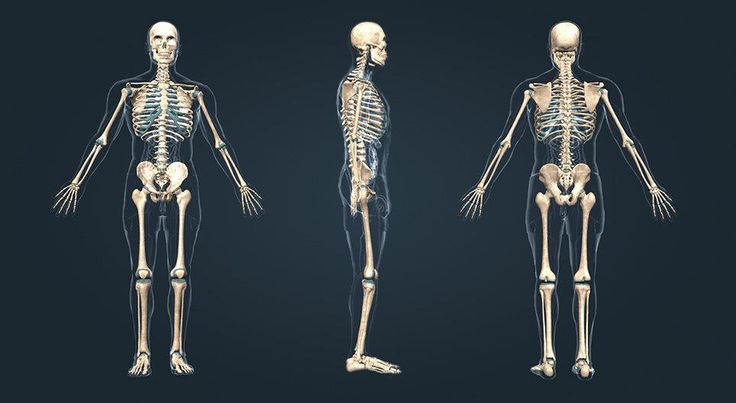
The Skeletal System: The Living Framework of the Human Body
The human body is an extraordinary piece of biological engineering, and at the heart of its structure lies the skeletal system. Far more than a collection of bones, the skeletal system is a living network that supports the body, protects vital organs, enables movement, and plays an essential role in maintaining overall health.
Although bones appear hard and lifeless, they are, in fact, living tissues. They continually repair themselves, store essential minerals, and produce blood cells that sustain life. Together with cartilage, ligaments, and joints, the skeleton provides the stability and flexibility needed for everyday activities, from walking and lifting to breathing and maintaining balance.
An adult human skeleton consists of 206 bones, while a newborn has approximately 270 bones. As a child grows, some of these bones gradually fuse together, forming the stronger and more stable skeleton of adulthood.
The Primary Functions of the Skeletal System
Every part of the skeletal system has a purpose. Its functions extend far beyond simply holding the body upright.
Providing Support and Shape
The skeleton forms the body's internal framework. It gives the body its shape, supports soft tissues, and provides the strength needed to stand, sit, walk, and perform countless daily activities. Without this framework, the body would lack the structure required to function.
Protecting Vital Organs
One of the skeleton's most important responsibilities is protecting the body's delicate organs from injury.
- The skull safeguards the brain.
- The vertebral column, or spine, protects the spinal cord.
- The rib cage shields the heart and lungs.
- The pelvis helps protect parts of the urinary and reproductive systems.
This natural armour allows the body's most essential organs to operate safely.
Making Movement Possible
Movement is only possible because the skeletal and muscular systems work together.
Bones act as levers, while muscles attach to them through tendons. Whenever muscles contract, they pull on the bones, allowing the body to walk, run, bend, lift, and perform every other physical movement. Joints provide the flexibility needed for these movements to occur smoothly.
Producing Blood Cells
Inside many bones is a soft tissue known as red bone marrow. This remarkable tissue continuously produces the blood cells that keep the body functioning, including:
- Red blood cells, which transport oxygen throughout the body.
- White blood cells, which help defend the body against infection.
- Platelets, which assist in blood clotting and wound healing.
Without healthy bone marrow, the body's ability to survive would be severely compromised.
Storing Essential Minerals
Bones serve as the body's natural storage reservoir for important minerals, particularly calcium and phosphorus. These minerals strengthen the skeleton while also supporting healthy muscles, nerves, and other body tissues. When the body requires additional minerals, the bones release them into the bloodstream to maintain normal function.
Storing Energy
Certain bones contain yellow bone marrow, which stores fat as an energy reserve. During times when the body requires additional energy, these stored fat reserves can be utilised.
The Two Main Divisions of the Skeleton
The Axial Skeleton
The axial skeleton forms the body's central framework and consists of 80 bones. It includes the skull, vertebral column, rib cage, and sternum. Its primary role is to support the body and protect the brain, spinal cord, heart, and lungs.
The Appendicular Skeleton
The appendicular skeleton consists of 126 bones and includes the shoulders, arms, hands, pelvis, legs, and feet. This part of the skeleton is responsible for mobility and allows the body to perform a wide range of movements with strength and precision.
More Than Just Bones
The skeletal system is made up of several specialised structures that work together.
Bones provide strength and support for the entire body.
Cartilage is a smooth, flexible tissue that cushions the ends of bones and reduces friction within joints.
Ligaments are strong bands of connective tissue that join bone to bone, helping to stabilise joints and prevent excessive movement.
Joints are the meeting points between bones, allowing the body to bend, rotate, and move freely.
Each of these components contributes to the efficiency and durability of the skeletal system.
A Living Foundation for Good Health
The skeletal system is much more than the framework of the body. It is a living, constantly renewing system that supports every stage of life. It protects vital organs, enables movement, produces blood cells, stores minerals and energy, and works closely with the muscular, nervous, circulatory, and endocrine systems to maintain health and wellbeing.
Looking after your bones through proper nutrition, regular physical activity, adequate sunlight for vitamin D, and healthy lifestyle choices is an investment that pays lifelong dividends. Strong bones form the foundation of a strong body, making the skeletal system one of the most remarkable and indispensable systems in human biology.
```