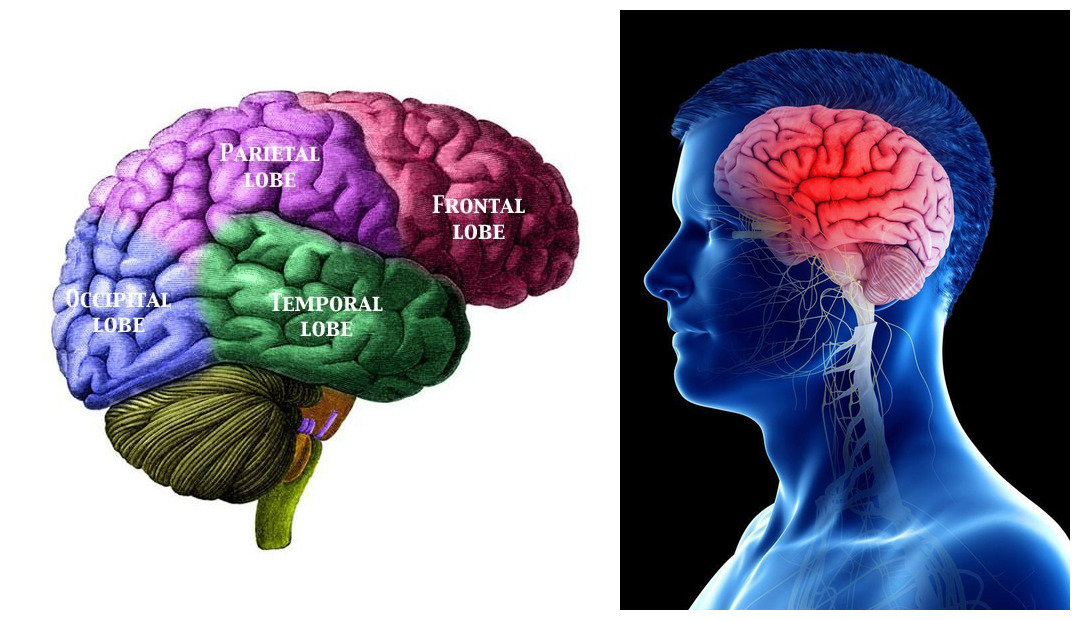
The Power Within: Benefits of Enhancing the Brain–Body Relationship
In today’s fast-paced and demanding world, many people treat the mind and body as separate entities—one responsible for thinking, the other for action. However, modern science and ancient wisdom agree on a profound truth: the brain and body are deeply interconnected. Strengthening this relationship is not just beneficial; it is essential for living a balanced, healthy, and fulfilling life.
The brain serves as the command center of the body, controlling movement, emotions, perception, and vital physiological processes. At the same time, the body continuously sends signals back to the brain, influencing thoughts, moods, and decision-making. This two-way communication system—often referred to as the brain–body connection—plays a critical role in overall well-being. Enhancing this relationship can unlock numerous physical, mental, and emotional benefits.
One of the most significant advantages of a strong brain–body connection is improved physical health. When the brain and body are in harmony, bodily functions such as digestion, immune response, and cardiovascular activity operate more efficiently. Practices like regular exercise, deep breathing, and mindful movement stimulate neural pathways, helping the brain better regulate bodily systems. As a result, individuals often experience increased energy levels, improved posture, and a reduced risk of chronic illnesses such as hypertension and diabetes.
Equally important is the impact on mental health. A well-connected brain and body enhance emotional regulation and resilience. For example, physical activities such as walking, stretching, or yoga trigger the release of endorphins—chemicals in the brain that promote feelings of happiness and reduce stress. At the same time, mindfulness practices help individuals become more aware of their bodily sensations, enabling them to recognize early signs of anxiety or emotional distress. This awareness allows for timely intervention, preventing minor issues from escalating into more serious mental health conditions.
Cognitive performance also benefits greatly from an enhanced brain–body relationship. Studies have shown that physical movement improves memory, concentration, and creativity. When the body is active, blood flow to the brain increases, delivering oxygen and essential nutrients that support neural function. This is particularly important for students, professionals, and anyone engaged in tasks requiring sustained attention and problem-solving. By integrating physical activity into daily routines, individuals can sharpen their minds and improve productivity.
Another key benefit is better stress management. In a world filled with constant pressure, the ability to manage stress effectively is invaluable. The brain–body connection plays a central role in how we respond to stress. Techniques such as controlled breathing, meditation, and progressive muscle relaxation help calm the nervous system, reducing the production of stress hormones like cortisol. When practiced consistently, these techniques train the brain to respond more calmly to challenging situations, promoting a sense of control and inner peace.
Enhancing the brain–body relationship also improves self-awareness and personal growth. When individuals are more attuned to their bodies, they gain deeper insight into their needs, habits, and behaviors. For instance, recognizing physical signs of fatigue can prompt timely rest, while noticing tension in the body may indicate emotional strain. This heightened awareness encourages healthier choices, fosters discipline, and supports long-term personal development.
Sleep quality is another area that benefits significantly. A balanced brain–body connection helps regulate circadian rhythms, making it easier to fall asleep and stay asleep. Physical activity during the day, combined with relaxation techniques in the evening, signals the brain to prepare the body for rest. Quality sleep, in turn, enhances memory consolidation, emotional stability, and overall health.
Furthermore, a strong brain–body connection contributes to improved coordination and motor skills. Athletes, dancers, and even everyday individuals rely on this connection for smooth and efficient movement. Activities that require focus and precision—such as sports, martial arts, or even simple tasks like driving—become easier and more effective when the brain and body are well synchronized.
Importantly, enhancing this relationship can also strengthen immunity. Chronic stress and poor lifestyle habits weaken the immune system, making the body more susceptible to illness. By maintaining a healthy brain–body connection through exercise, proper nutrition, and stress management, individuals can boost their immune response and improve their ability to fight infections.
So, how can one enhance the brain–body relationship? The answer lies in consistent, intentional practices. Regular physical exercise, such as walking, swimming, or stretching, is fundamental. Mindfulness and meditation help bridge the gap between mental awareness and physical sensation. Proper nutrition fuels both the brain and body, while adequate hydration supports optimal function. Additionally, engaging in activities that require coordination—such as dancing or sports—can further strengthen neural connections.
In conclusion, the brain and body are not separate systems but parts of a unified whole. Enhancing their relationship leads to improved physical health, better mental well-being, sharper cognitive abilities, and greater emotional balance. In a world that often encourages disconnection, choosing to nurture this vital link is a powerful step toward a healthier and more fulfilling life. By listening to the body and training the mind, individuals can unlock their full potential and experience the true harmony of human existence.
-Aaron Newman.