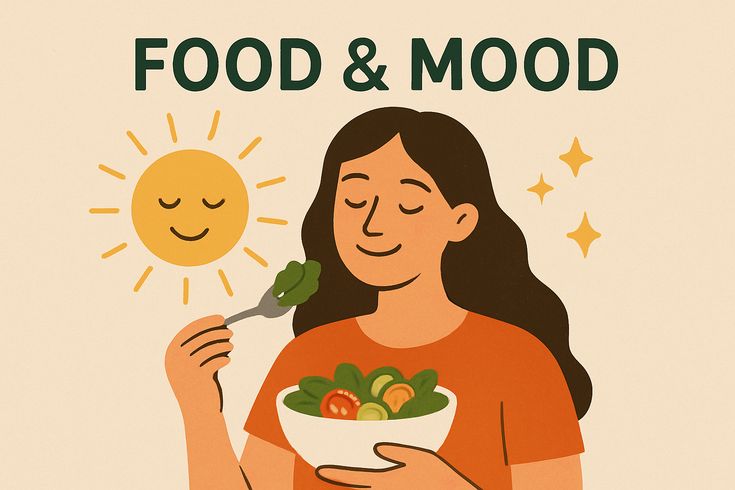
FOOD AND MOOD IN CHARACTER DEVELOPMENT
After more than four decades of intensive research by leading nutritional scientists, a clear and consistent conclusion has emerged: diet plays a central role in shaping human behaviour and mental health across the world. This finding should not come as a surprise when we consider that food directly influences the chemistry of the human body more than any other controllable factor. Only air stands apart as a uniquely indispensable element for survival.
A closer examination of the biochemical processes that occur continuously within the human body—especially those involved in blood circulation—further emphasizes the fundamental importance of diet. Every moment of human existence depends on metabolism, the complex system through which the body converts food into energy and vital substances. Without proper nutrition, these processes become impaired, affecting not only physical health but also emotional stability and mental clarity.
When we consider the human senses—sight, taste, hearing, touch, and smell—the role of diet becomes even more evident. These senses are not isolated functions; they are deeply connected to the body’s internal chemical balance. The quality of our nutrition can sharpen or dull sensory perception, thereby influencing how we interpret and respond to the world around us. Since our reactions and interactions are shaped by these sensory impressions, diet indirectly but powerfully affects our behaviour and mood.
It is true that many scientists have historically been hesitant to fully engage with the study of the five senses in relation to nutrition, largely because these phenomena are difficult to measure with conventional laboratory instruments. However, science is not limited to laboratory experimentation alone. Observation remains a valid and essential method of inquiry. This is why psychology—largely based on careful observation and analysis of behaviour—has become an indispensable branch of science. By combining insights from psychology and nutrition, we gain a more complete understanding of how diet influences mood, behaviour, and overall mental functioning.
Interestingly, many scientific discussions on behaviour make little distinction between behaviour and character. This may be because the two often appear identical in outward expression. However, on a deeper level, a distinction can be made: behaviour refers to observable actions, while character reflects the underlying patterns and tendencies that produce those actions. Though subtle, this distinction is important, and it reinforces the idea that long-term dietary habits can contribute not only to temporary moods but also to the formation and refinement of character over time.
The relationship between food and mood is perhaps best captured in the following insight:
“Based on mounting evidence that sound biochemical principles underlie the food-to-mood phenomenon, and that to think, feel, respond to, and perceive the world around us, the authors conclude that nutritional therapy should be used as an adjunct to all other forms of mental therapy. In many of the cases we have treated, diet alone ‘did the trick.’ In others, various forms of therapy were combined with dietary adjustments to bring long-term patients to full recovery.”
This perspective highlights a profound truth: nutrition is not merely a physical concern but a psychological and even moral one. The food we consume can either support or disrupt the delicate balance required for healthy thinking, emotional resilience, and constructive behaviour.
For this reason, we strongly maintain that an adequate and well-balanced diet is a powerful tool for personal development. It can significantly contribute to the refinement of character and the cultivation of mental stability. In a world increasingly marked by stress, confusion, and disorder, attention to proper nutrition is not optional—it is essential.
Accordingly, we confidently include diet as a foundational element in any meaningful programme aimed at promoting sanity, stability, and harmonious living in our rapidly changing and often chaotic world.