THE CORRUPTIVE POWER OF MONEY, WEALTH, POSITION, AND INFLUENCE IN WORLD POLITICS
Introduction: The Seduction of Power
Across the world today, politics is increasingly shaped not by values, virtues, or ideals, but by the overwhelming influence of money, wealth, position, and power. These forces, though not inherently evil, carry a dangerous tendency—they tempt those who possess them to abandon responsibility in pursuit of self-interest and personal glorification.
What should serve as instruments for public good are instead transformed into tools of domination and control. As a result, the global political landscape remains unstable and uncertain. This condition is more pronounced in developing nations, where institutional weakness and a paucity of knowledge often limit the ability to pursue truth, justice, and meaningful development.
The Failure of Politics in Its True Purpose
In principle, politics—especially within democratic systems—is meant to ensure fairness, justice, and the equitable distribution of resources. Leaders are entrusted with improving the lives of citizens and promoting collective progress.
However, modern political realities suggest otherwise. Politics has drifted from service to self-interest. Instead of empowering citizens, it often empowers a privileged few.
A major cause of this failure is the erosion of morality in leadership. Ethical considerations are frequently sacrificed for personal gain and political survival. This creates widespread frustration among citizens, especially those vulnerable to manipulation, and erodes trust in governance.
Power as a Corruptive Force
The famous idea that power corrupts—and absolute power corrupts absolutely—remains highly relevant today. Without accountability, authority can quickly become abuse.
In many developed countries, institutional safeguards such as independent courts, free media, and strong democratic structures help limit this abuse. These systems ensure that no leader remains above the law indefinitely.
However, in many developing regions, particularly in parts of Africa, these safeguards are often weak or compromised. Leaders may remain in power for extended periods despite poor governance. Opposition voices are suppressed, and security agencies are sometimes used to silence dissent.
Wealth Accumulation and Mass Impoverishment
Unchecked political power often leads to excessive wealth accumulation by those in authority. Public office becomes a means of personal enrichment rather than public service.
At the same time, the masses are pushed deeper into poverty. This imbalance is not accidental—it weakens the ability of citizens to resist or demand accountability. People struggling to survive are less likely to challenge authority.
In extreme cases, leaders accumulate wealth far beyond practical use, reflecting not just corruption but a deeper moral and psychological disconnect from society.
The Limits of International Intervention
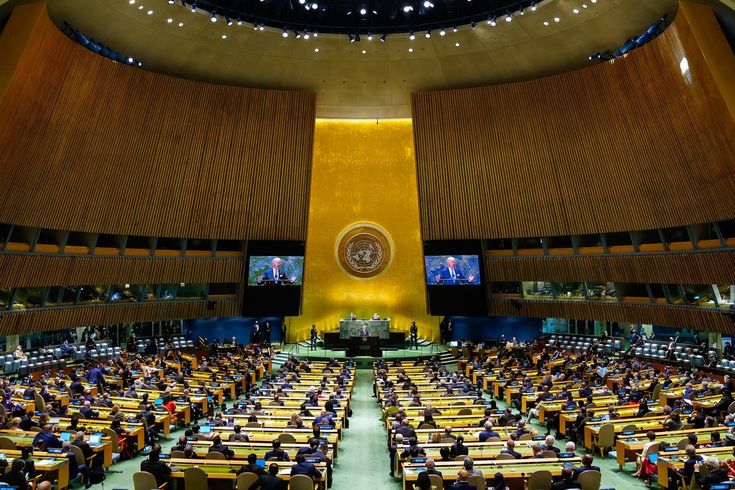
The global system, particularly under the United Nations, upholds the principle of national sovereignty. While this protects countries from external control, it also limits intervention in cases of internal misrule.
Unless a country requests assistance—which rarely happens—external bodies cannot interfere. This leaves many citizens trapped under ineffective or oppressive leadership without meaningful global support.
A Dangerous Global Trajectory
The widening gap between wealth and poverty, power and responsibility, is creating serious global instability. If left unchecked, this imbalance may lead to widespread unrest, conflict, and systemic breakdown.
In today’s interconnected world, instability in one region can quickly affect others. The risks are no longer local—they are global.
The Philosophical Solution to Leadership
Great thinkers like Aristotle emphasized that leadership must be guided by wisdom, ethics, and reason. The idea that leaders should be philosophers—or at least think like them—is more relevant today than ever.
Philosophical leadership promotes:
• Justice over personal gain
• Long-term vision over short-term success
• Collective wellbeing over individual ambition
In a complex world, leadership must go beyond politics—it must be intellectual and moral.
Conclusion: A Call for Change
The crisis in world politics is both moral and intellectual. Money, wealth, and power have become dominant forces, but without ethical guidance, they lead to destruction rather than progress.
To restore balance, there must be:
• Greater public awareness and education
• Stronger institutions and accountability
• Leaders grounded in knowledge and integrity
Only then can politics fulfill its true purpose—serving humanity and creating a just and equitable world.